Choosing the best CMS for website creation is a critical decision when building your site. A reliable Content Management System (CMS) makes managing and customizing your website easier, while ensuring its performance and security. WordPress, Joomla, and Drupal are the top contenders, each offering unique features that suit different needs. To find the best CMS for your project, it’s essential to compare the strengths and weaknesses of each platform.
Why Choosing the Right CMS Matters
The wrong CMS can slow your website down, open security holes and make maintenance costly. Your CMS also affects how easily you can manage and update content, the customization options available, and how well your site performs across devices and browsers. Therefore, it’s essential to make an informed decision based on the unique needs of your website.
1. WordPress: The User-Friendly Giant
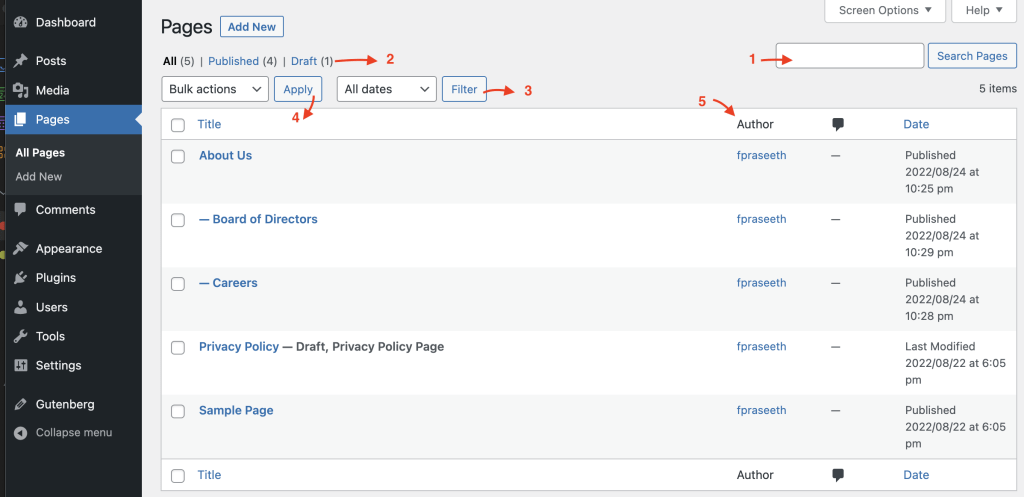
WordPress is by far the most popular CMS, powering over 40% of websites worldwide. Thanks to its simplicity, flexibility and huge plugin ecosystem, many experts recommend it to beginners and to anyone who wants a website quickly, with minimal hassle.
Advantages of WordPress
- Ease of Use: The platform targets non-technical users. Its intuitive interface allows you to create and manage a website with ease. Whether you’re building a personal blog, portfolio, or business site, WordPress makes it easy to get started.
- Wide Range of Themes and Plugins: You can choose from thousands of themes and plugins, which means you can easily customize your site’s appearance and functionality without needing to write any code. There’s a plugin for just about everything, from SEO to social media integration, making it the most flexible CMS for general users.
- Great for SEO: Out of the box, WordPress handles SEO well. You can also install plugins like Yoast SEO to optimize your content for search engines. This makes it a top choice for those looking to improve their visibility on search engines.
- Vast Community and Support: As the most popular CMS, WordPress has a large community of developers, designers, and enthusiasts. This means you’ll have no shortage of support, tutorials, and resources to help with troubleshooting and customization.
Disadvantages of WordPress
- Security Concerns: Because it is so popular, hackers target WordPress often. Regular updates and security plugins reduce the risk, but a site that nobody maintains stays vulnerable.
- Performance Issues with High Traffic: On larger websites or under heavy traffic, WordPress can turn sluggish unless you optimize it. In addition, some plugins may conflict with each other, causing performance issues.
- Limited Scalability: WordPress shines on small and medium-sized websites, yet it can be less efficient for large enterprise sites. It may not have the same level of scalability or customization as other CMS platforms like Drupal.
2. Joomla: The Middle Ground CMS
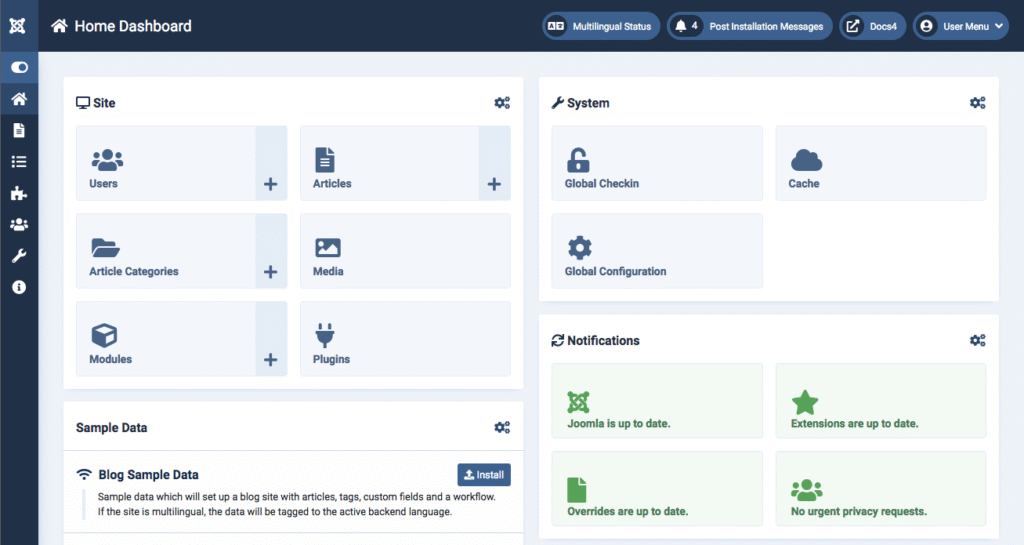
Joomla is a versatile CMS that lies between WordPress and Drupal in terms of complexity. It offers more flexibility than WordPress but is easier to use than Drupal, making it a good choice for users who want a balance of customization options and ease of use.
Advantages of Joomla
- Flexibility: You get more control over your website than with WordPress. The platform offers a wide range of extensions for functionality and customization, making it a good choice for users who need something more complex than what WordPress provides.
- Good for E-Commerce: Online stores are well supported. Extensions like VirtueMart or J2Store allow you to easily create an online store, and it integrates well with various payment gateways.
- Content Management: Complex content structures are where it excels. If you have multiple content types (such as news articles, blogs, events, and user-generated content), Joomla’s flexible content management system can handle it all.
- Multi-Language Support: Multilingual features come built in, making it a great option for businesses and individuals who need to create websites in multiple languages.
Disadvantages of Joomla
- Learning Curve: While Joomla is more user-friendly than Drupal, it’s still more complex than WordPress. Beginners may find the platform somewhat challenging, especially when it comes to installing and configuring extensions.
- Smaller Plugin Ecosystem: The choice of plugins is smaller than on WordPress. While it does have plenty of options for customization, the Joomla plugin market is smaller, which can limit functionality for certain website types.
- Limited Themes: Its theme library is smaller than WordPress’s. You will find many high-quality themes, but for a truly unique look you may need a custom one.
3. Drupal: The Powerhouse for Complex Websites
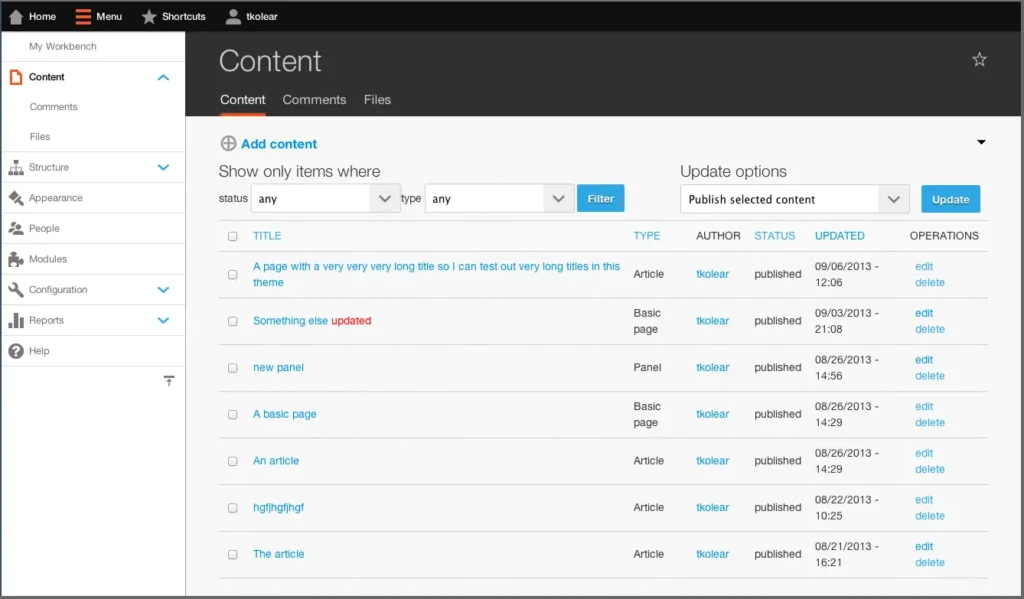
Drupal is a powerful CMS for developers and advanced users who need maximum control over their websites. Many experts rank it among the most secure and scalable CMS platforms, so it suits large enterprises, e-commerce stores and government websites.
Advantages of Drupal
- Customizability and Flexibility: It offers unparalleled customization options, giving developers complete control over the site’s functionality and design. It’s especially well-suited for building highly complex websites that require custom coding.
- Scalability: Its developers built it to scale, which makes it the go-to CMS for large and high-traffic websites. It can handle large amounts of data and complex content structures with ease, so it’s perfect for enterprise-level websites.
- Security: Robust security features make it the preferred choice when security is a top priority. Government agencies and large corporations often use Drupal because of its high-level security measures.
- Multi-User Capability: Teams benefit too, because different people can access different parts of the website. It’s a great option for organizations that need complex permission systems for different user roles.
Disadvantages of Drupal
- Steep Learning Curve: Beginners will struggle. It requires more technical expertise and understanding of web development. If you don’t have prior experience with web development or coding, learning Drupal can be a challenge.
- Limited Themes and Modules: You get fewer themes and modules than on WordPress and Joomla. Customization often requires coding, which may not be ideal for those looking for a quick solution.
- Time-Consuming Setup: Because of its complexity, a Drupal setup takes a lot of time and effort. Unlike WordPress and Joomla, Drupal doesn’t offer quick setup wizards, meaning it might take a while to get everything working smoothly.
Which CMS Should You Choose?
- Pick WordPress if you want an easy-to-use platform with a vast selection of themes, plugins, and strong community support. It is best for bloggers, small businesses, and personal websites.
- Go with Joomla if you want a balance between ease of use and customization. It suits users who need more advanced features than WordPress but don’t want the complexity of Drupal.
- Choose Drupal if you are building a large, complex website that requires high-level customization, security, and scalability. It is ideal for large businesses, government sites, and enterprise-level applications.
Conclusion
The right CMS is crucial to the success of your website. WordPress, Joomla, and Drupal each offer distinct advantages and drawbacks, so it’s essential to assess your website’s needs carefully before making a decision. Whether you prioritize ease of use, scalability, or customization, there’s a CMS out there that fits your goals. By understanding the strengths and weaknesses of WordPress, Joomla, and Drupal, you can make an informed decision and build a website that will thrive for years to come.
Still not sure which platform fits? I build business websites on WordPress, online stores on WordPress or Shopify, and custom web apps with React and Node.js. Tell me what you need and I will recommend the platform you can manage yourself.
FAQs
- What is the easiest CMS to use?
Most people find WordPress the easiest CMS, especially beginners. It offers a simple interface, numerous plugins, and a large support community. - Can Joomla be used for e-commerce websites?
Yes, Joomla has extensions like VirtueMart and J2Store that make it suitable for e-commerce websites. - Is Drupal better than WordPress?
Drupal is more powerful and flexible than WordPress, but it requires a higher level of technical expertise. It is ideal for complex, large-scale websites, while WordPress is better suited for simpler websites. - Which CMS is best for SEO?
Most experts rate WordPress as the best CMS for SEO, thanks to its SEO-friendly features and plugins like Yoast SEO. - Can I switch between CMS platforms?
Yes, it is possible to migrate your website from one CMS to another, but it can be a time-consuming process that may require professional assistance. - Which CMS is most secure?
Many experts consider Drupal the most secure CMS, especially for websites with high security requirements, such as government or enterprise websites.